
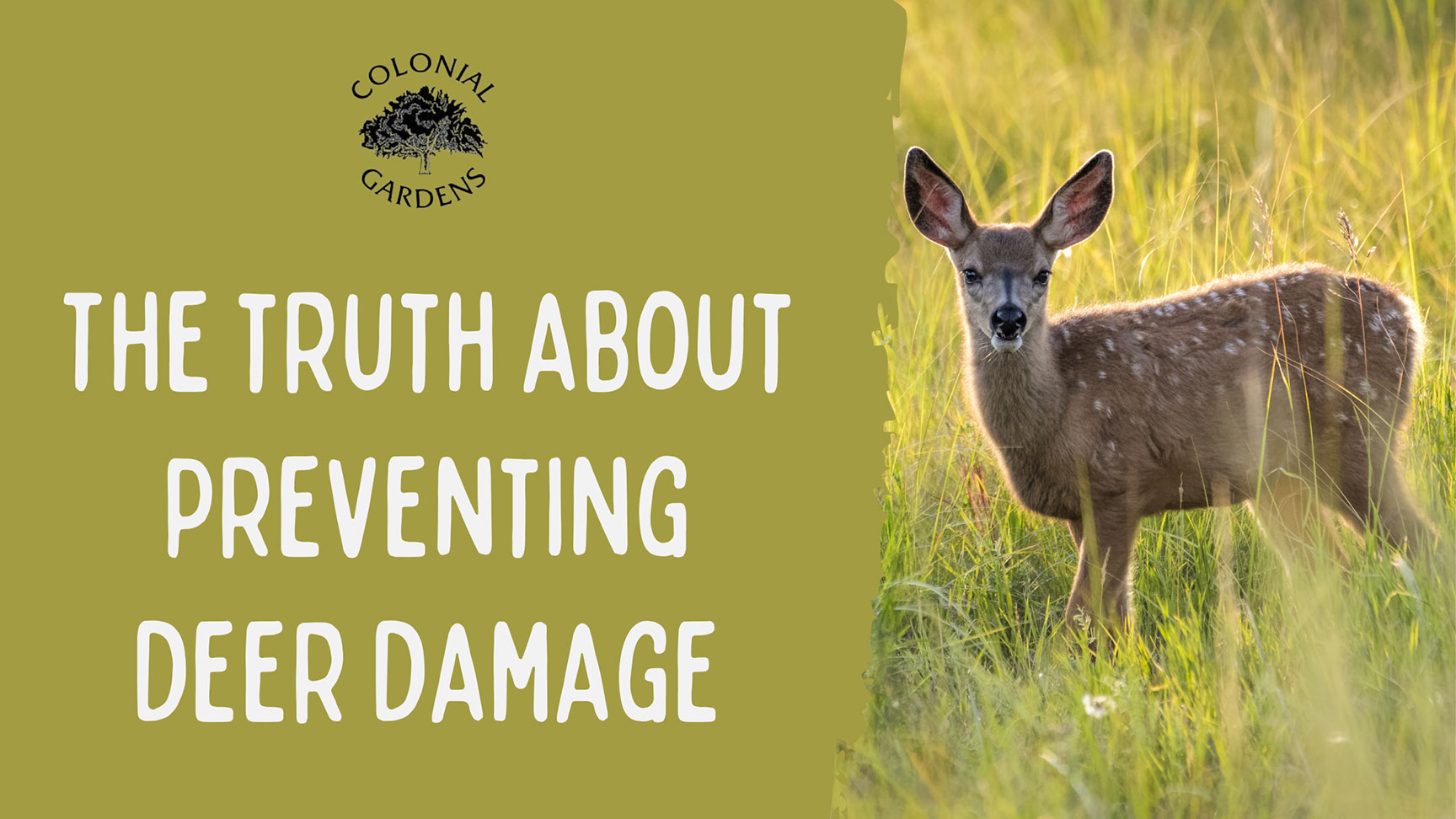
1.5 million deer. That is the estimated number of white-tailed deer in Pennsylvania as of 2001. Divided out, that’s about 30 deer per square mile. Somehow, it can feel like an underestimate if you have deer feeding on your favorite plants.
White-tailed deer are native to Pennsylvania, but they were driven to near extinction due to over-hunting in the early 1900s. Conservation and reintroduction efforts were put in place and white-tailed deer were successfully repopulated in PA. Unfortunately, deer re-entered the state under different conditions from those prior to European colonization. Large predators and traditional hunting practices that once controlled their populations were gone. Their populations exploded, to the detriment of native forests and to the chagrin of many home gardeners. As naturalist Doug Tallamy put it, the only things controlling the population of deer are cars and starvation.
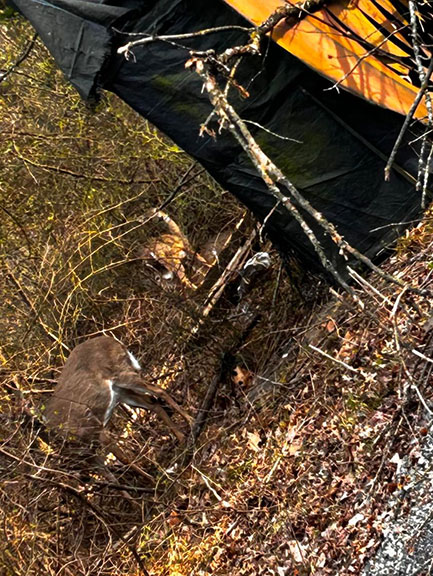
For many, spotting a deer may be an exciting chance to spot some beautiful native wildlife. For gardeners, it may spark a desire to jump in front of your hostas. White-tailed deer are generalists which means that they are not picky when it comes to their preferred foods. In PA, they have been documented eating over 100 species of plants including leafy plants and new growth off of woody plants. This variety in their diet allows the deer to survive through the seasons without having to migrate. It also means that they may see just about anything in your yard as potential food.
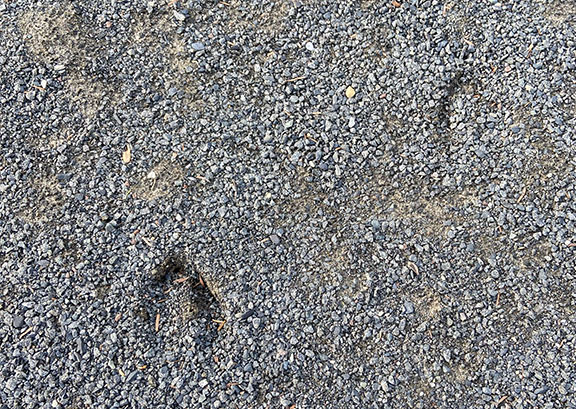
There are certainly plants that deer do not enjoy as much as others. Often these plants have an unpleasant texture or smell, a toxin, or thorns. Planting these plants may drive the deer to eat food growing in a naturalized area (or at least your neighbors yard). However, it’s important to know that deer would rather eat things they don’t like or even risk poisoning if they are starving.
Here at Colonial Gardens, we have about a dozen deer living in our woods near the nursery. We face the worst deer damage in the late winter and early spring as the herd runs out of food in the woods and ranges out of their comfort zone into the nursery. At this time of year, we mostly combat the hungry deer by moving their favorite items indoors, but we definitely learn what is truly deer resistant and what is just “not-preferred.” Even during the summer, we still find evidence of deer damage–but only on the tastiest of plants.
There are a few ways to approach deer prevention:
- Distasteful plants: Choosing plants that are less desirable for deer so that they are less likely to browse on it and damage it. Some people will place their more desirable plants closer to their home and place deer-resistant varieties around the perimeter to convince the deer that their yard isn’t an “all you can eat” buffet. Some plants labeled “deer resistant” will still experience browsing, especially during times of scarcity. If you visit our store, we’d be happy to guide you to our most hardy deer-resistant plants.
- Unpleasant smells and tastes: Adding a spray, or a home remedy that smells unpleasant or dangerous for them. This could include Liquid Fence, Repels All, human hair, dried blood, soap, or even coyote pee. The idea here is that the deer will fear the scent or associate it with a predator. We sell several products, but you can also use homemade solutions.
- Lights, Sounds, and other Scare Tactics: Hanging CDs from trees, motion activated sprinklers, dogs. These are all things that may convey danger to the deer.
- Physical Prevention: A fence. Fences and netting can physically prevent deer from accessing plants. An 8 foot fence is the best way to prevent deer from eating your plants. Putting up a deer guard around young trees can help prevent bucks from rubbing their antlers.
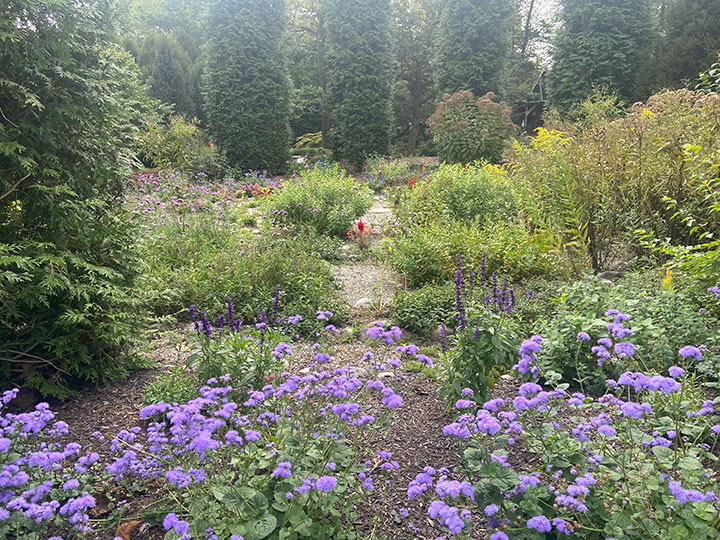
So What’s Most Effective? Outside of a physical barrier, the most effective way to deter deer from vulnerable plants is to start at the first sign of damage and to switch up your techniques frequently. Deer are smarter than we give them credit for. Once they figure out that they aren’t in danger, the deterrent method is less likely to work. Switching your deterrent methods, like using different scents, can be more effective than using the same scent over and over again. Catching browsing early can convince the deer that risking an unfamiliar scent, sound, or sight isn’t worth the potential danger. Still, even with the most diligent application of preventatives, most gardeners will struggle to prevent deer damage during the late winter as the deer become desperate.
That may sound like a lot of work. It is! The most effective, long-term solution to prevent deer damage is a fence. If you don’t want to invest in a large fence around your whole property, consider creating barriers around the most vulnerable plants, especially in the fall of their first year when they may be most damaged by browsing or rubbing.
Love them or hate them, deer are here to stay. The good news is that most plants will survive damage from deer. Choose your plants wisely, protect them when they are most vulnerable, and remember to breathe deeply when you find some inevitable nibbling.