Learn how to strategically plant trees to reduce your energy costs for your home.
Trees are an excellent investment, not just in the future of our planet, but also financially. A well-placed tree can shade your home from the summer heat, producing a real reduction of your cooling costs.
These impacts have been studied on a community scale as well. While urban areas tend to be warmer than the surrounding area due to the heat-trapping impacts of pavement, the presence of trees make a noticeable difference even within cities. Areas of Philadelphia with minimal tree cover are up to 10 degrees warmer than parts of the city that have more trees. These areas are not only less pleasant than neighborhoods with trees, but the houses may also spend more on their energy bills due to the heat.
Here at Colonial, we generate most of our power from our solar panels, but if you don’t have solar panels, shading your building from the summer heat can be an effective means of saving money in the long term. In this blog, we will talk about the benefits and best practices for energy efficient landscaping.
The Problem:
Homes are not 100% insulated from the surrounding environment. In the summer, sunlight hitting the windows, roof, cooling units, and surrounding pavement warms these surfaces and makes your air conditioners work harder to cool your home. In the winter, chilly winds can further cool the home and the surrounding area, causing our heating units to burn more fuel and dollars.
Well-placed trees can significantly reduce your energy costs. They do this by shading parts of your house in the summer and by blocking winds in the winter. You can effectively reduce your energy costs by picking the right plants for the right place to solve the specific issues your home faces. While the Department of Energy reports that properly placed trees can reduce your energy costs by up to 25%, the Arbor Day Foundation reports even higher potential savings, especially for smaller homes.
The Plants to Save on Energy Costs:
You know your location best so you will understand your site-specific problems and limitations better than anyone else. You will need to consider the amount of space you have for planting and what your particular needs are in regards to cooling or heating. The good news is that there are many combinations of plants that will help reduce your energy costs.
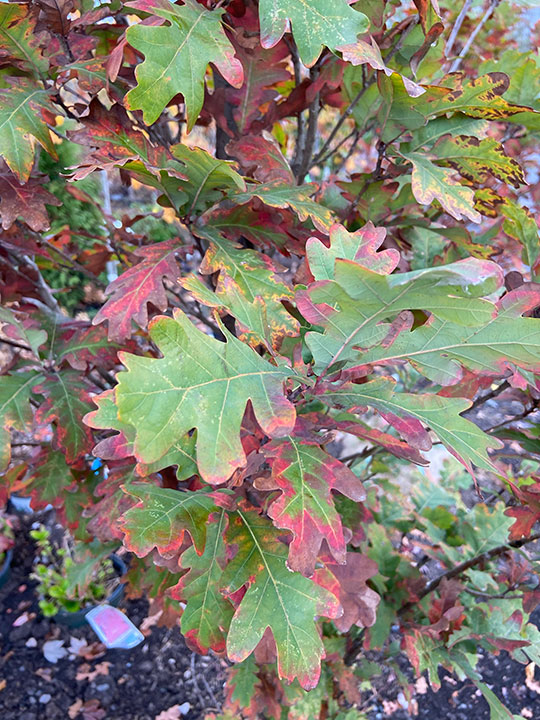
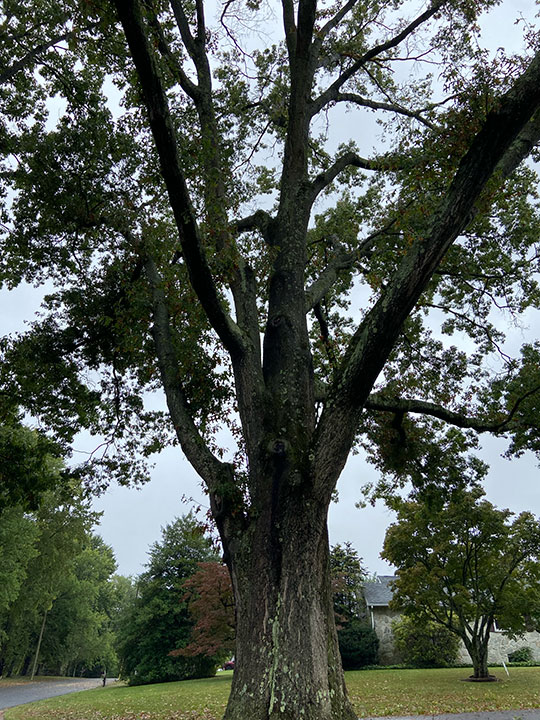
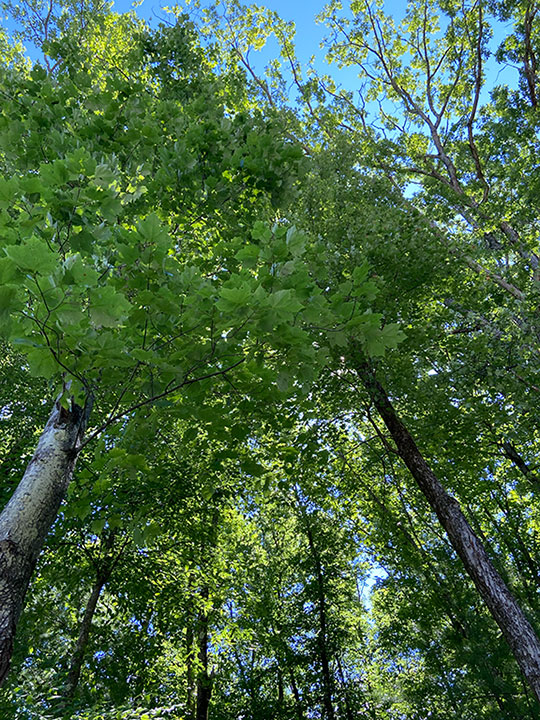
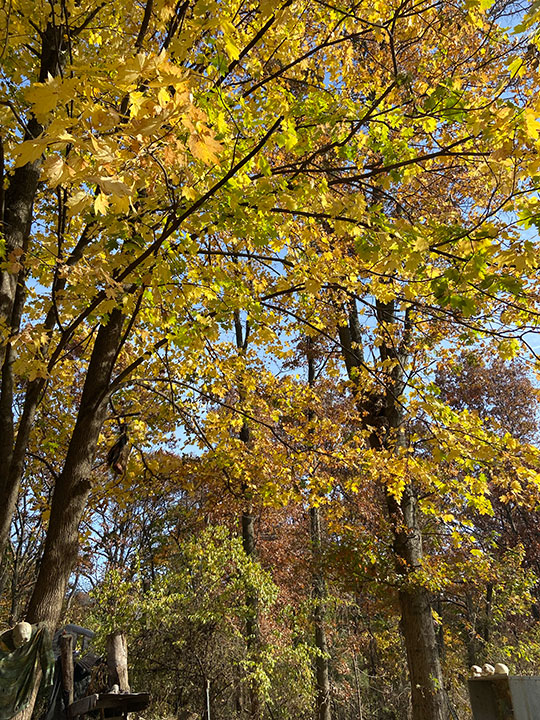
- Deciduous trees, trees that lose their leaves in the winter, provide the best shade in the summer, while still allowing sunlight through in the winter. Spaces directly below these trees can be up to 25 degrees cooler than those above pavement. The process of transpiration also helps cool the area as water escapes the leaves and pulls heat away from the area. If you are planting these trees to reduce summer cooler costs, please note that they will still block about 35% of sunlight in the winter, which can reduce the sun’s ability to warm your home in those cold months. According to the Arbor Day Foundation, a few of the highest value trees for shading include maples, oaks, beeches, and sweet gums. To best shade your home, choose one that grows at least 25 feet tall and that has dense foliage.
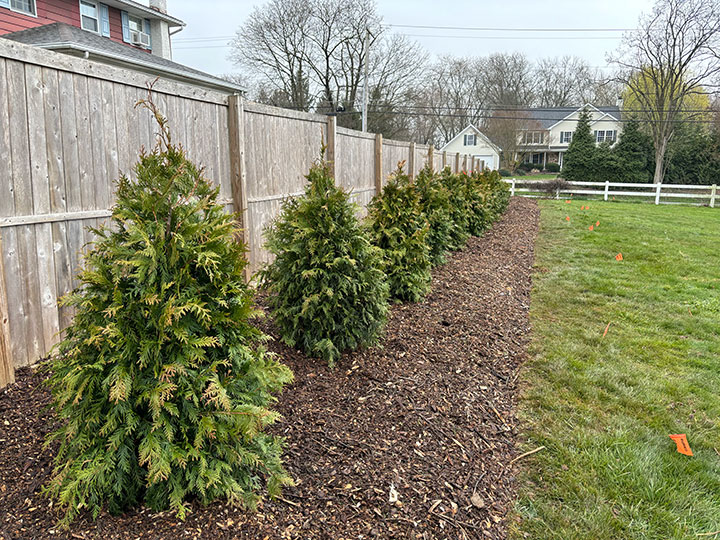
- Evergreen trees, which do not lose their leaves, are especially good windbreaks as their dense foliage slows the wind. Pines and spruces can be excellent choices, as can arborvitaes. Plant in multiple rows or with smaller evergreens at the base to increase the effectiveness.
- Can’t fit a large tree? Consider a small tree or shrub that can block late-afternoon sun on the west side of the house or to shade your air conditioning unit to help it run up to 10% more efficiently.
Placement for the Most Savings:
Three major things to consider when placing a tree for energy efficiency: where should it be placed to provide the most shade or windbreak, what are the most important things to shade, and finally, what is the mature size of the plant.
For shading, you should plan to shade your home and any dark pavements such as driveways, which trap heat. For the best savings, you’ll want to plant your tall, deciduous tree on the west side of your home, which will shade your home from the afternoon sun, when our air conditioners are working the hardest. Trees placed on the east side of the home will shade from the morning sun. Always allow ample space for the tree to reach its mature size so that the branches do not hang over your roof or interfere with power lines.
For planting evergreens to reduce heating costs, figure out which way the wind blows through your property. The best placement is to plant evergreens within two to five times the mature height of the evergreen. For example, if planting an Emerald Green arborvitae, which matures at about 20 feet, you’ll want to plant them between 40 and 100 feet from your home.
Other Considerations:
- Some mature trees outcompete other plants that try to grow under them.
- Some mature trees drop nuts or berries.
- Some fast-growing trees, like weeping willows, often have weaker branches than their slow-growing counterparts.
Additional Benefits of Adding Trees:
- Consider planting a native tree. Not only will you get the hardiness of a tree that is adapted to our climate, you will benefit a wide variety of local wildlife by giving them food and shelter.
- Consider shading your driveway or other pavement. Dark colored pavement absorbs heat from the sun more effectively than vegetation, which contributes to hotter temperatures, even into the evenings.
- A mature tree can reduce flooding issues in your yard. The leaves will catch the raindrops, slowing their path to the ground and allowing the ground time to absorb some rainfall at a time rather than all at once.
Here are Colonial Gardens, we are focusing on how you can use gardening to improve your life, your community, and the planet. Keep an eye on our gardening resources page to find other ways you can garden for good.
Sources:
Philly’s urban heat island effect: Built environment raises temps up to 12 degrees – WHYY
Energy-Efficient Landscaping | Department of Energy
Arbor Day Foundation: How Trees Can Save Energy
Colonial Gardens is an independent garden center located in Phoenixville, PA. We carry over 500 varieties of trees and shrubs to meet all of your gardening needs. Check out our landscaping services for professional design and installation options.