
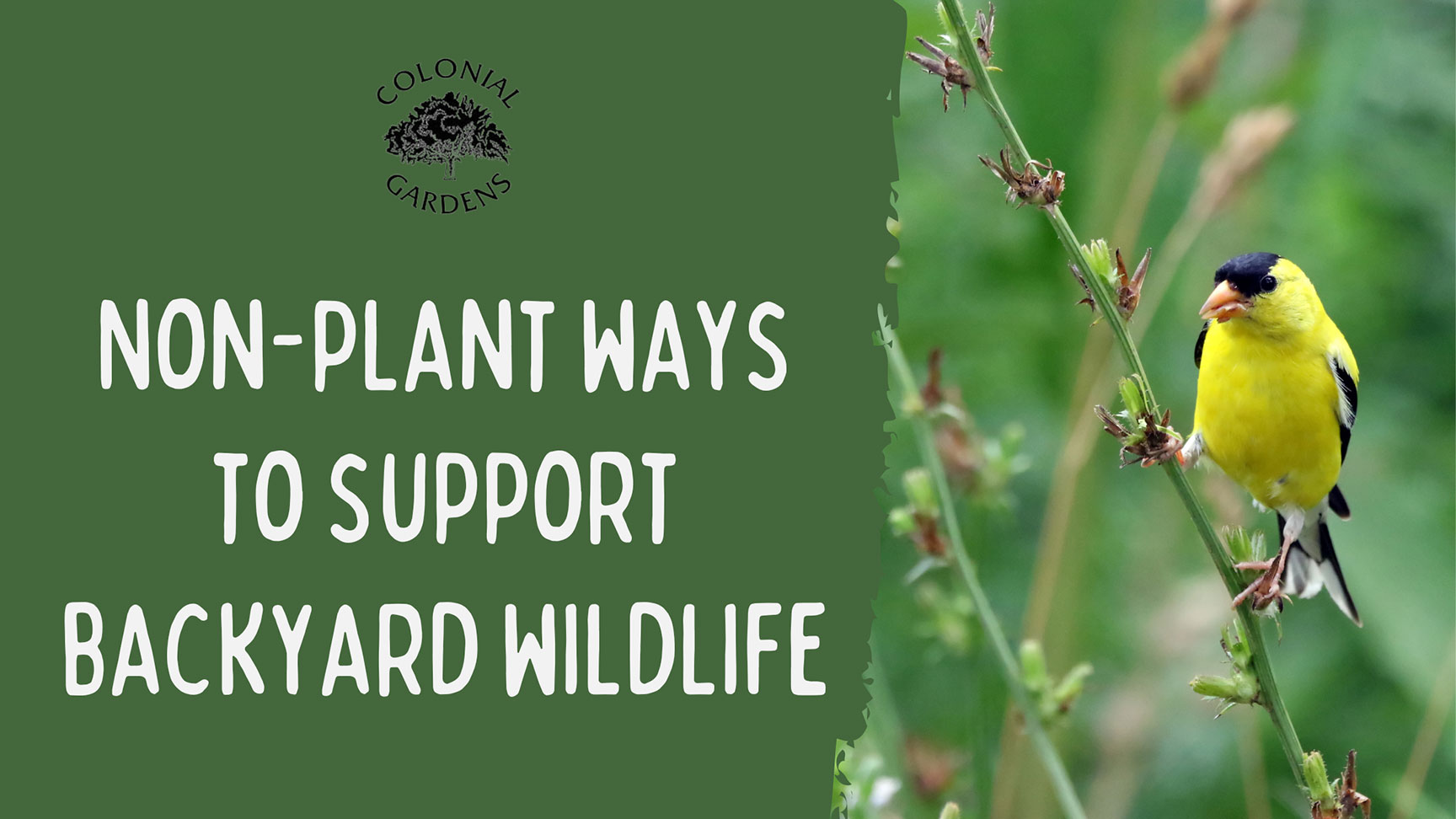
Planting a diverse array of native plants is one of the best ways to support local wildlife, but outside of your plant choices, there are lots of ways to create an environment that is wildlife friendly.
Add Birdbath or Other Water Source
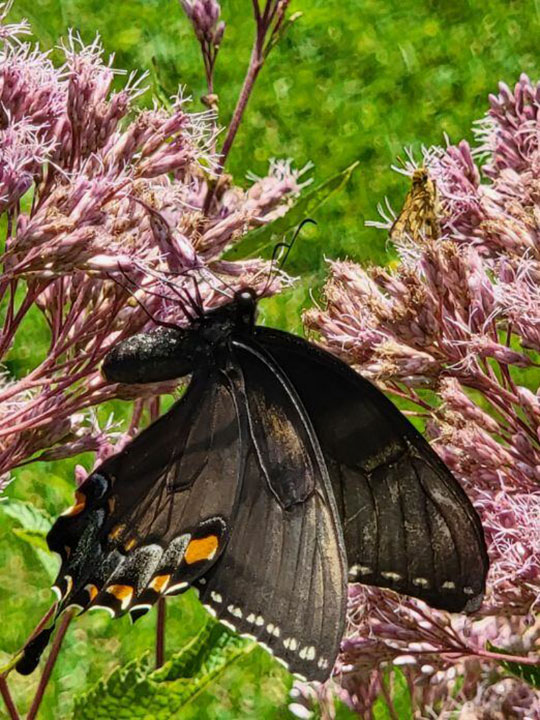
Native plants provide a basis for our food web, but living things need water too! This doesn’t have to be elaborate or expensive. It can be as simple as an unused plant saucer with pebbles in it to give a spot for bees and butterflies to drink. It can be a beautiful glaze birdbath or a birdbath top nestled in your garden.
Wildlife prefers shallow sources of water for bathing and drinking. This reduces drowning risk for all creatures, but also reduces your risk of mosquitoes laying eggs in it. Make sure that you refresh during hot days as shallow pools will dry up quickly.
Feeling ambitious? You can add a pond to your yard to provide habitat for frogs and other animals.
Reduce Your Pesticide and Fertilize Use
This probably seems fairly obvious, especially to people who really love bugs, but pesticides hurt all bugs! Most pesticides do not discriminate between “good bugs” and “bad bugs.” Instead, organic or non-organic, kill a broad spectrum of bugs. This can kill your “pests” and your pollinators in one fell swoop.
Don’t care about bugs? If you’re reading this blog, you probably care about birds. 90% of songbirds in our area rely on larvae to feed their offspring in the spring. Killing caterpillars and other insect larvae reduces the number of baby birds supported in the ecosystem. It can also impact populations of salamanders and other creatures that rely on bugs as their diet.
When should you use pesticides? That is a personal choice, but we recommend getting comfortable with some holes in your leaves and some imperfect plants. If you decide that you need to use pesticides, make sure that you follow the directions on the bottle to avoid overuse.
Keep Your Birdfeeder Clean
Scientists have mixed opinions on the safety and effectiveness of bird feeders, but many see bird feeders as an excellent way to connect people with wildlife. In fact, scientists at the Cornell Lab of Ornithology have projects that help people use their birdfeeder sightings to inform population insights about our local songbirds. Click here to learn how you can participate.
The most important thing you can do is to keep an eye on your feeder to make sure that it is cleaned regularly. The build up of mold in wet bird seed can contribute to disease within the bird population.
Another risk of bird feeders is artificially attracting a large number of birds to your feeder, which can spread diseases. If you find a dead bird near your feeder or see signs of disease in your flock, remove your feeder for a few weeks and give it a good clean in the meantime.
Leave the Leaves
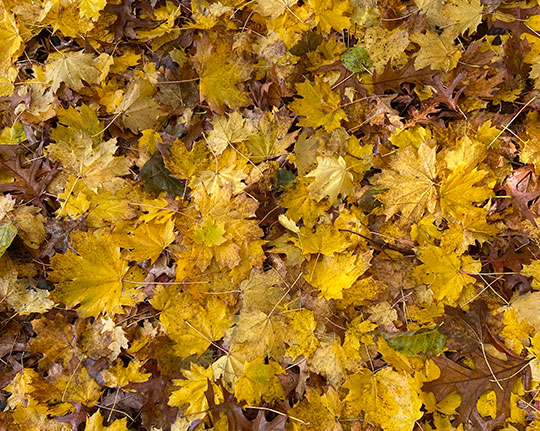
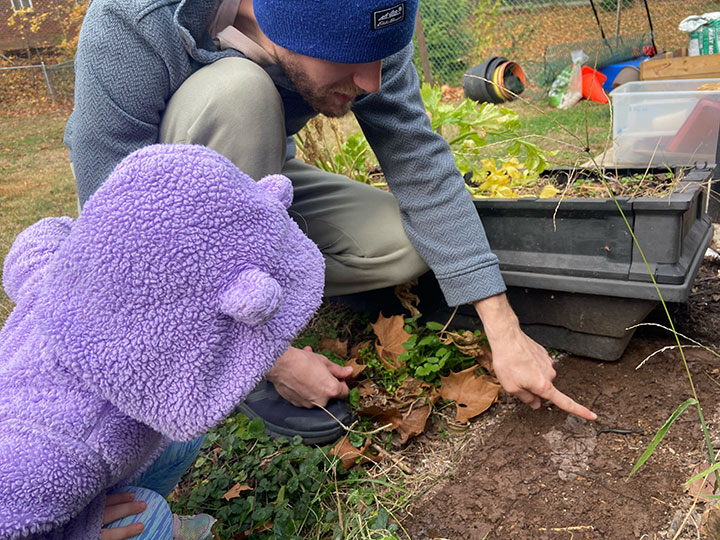
Want to reduce your yardwork and save wildlife? Leave the leaves! Lots of insects and small animals use leaf litter to survive the winter. Leaves insulate the ground, providing a microclimate warmer than bare ground alone.
Can’t leave your leaves exactly where they are? Rake them into your beds or around your trees. If you want to support wildlife, don’t mow over them to chip them up, which can destroy the overwintering insects.
Keep Stems Standing
Many plants provide seeds for songbirds after they are done flowering. Keeping purple coneflower and sunflowers standing after they are done flowering are a great way to keep feeding finches and other songbirds that need seeds for the winter.
Up to 30% of native bees use the stems of perennials for nesting, encasing their larvae within the hollow stems of plants like goldenrod. This is a fairly complex topic, which has prompted a lot of well-intentioned misinformation on social media. We recommend checking out this page from North Carolina State for an in-depth look at their study, but basically, if you need to trim back your stems, do it during their first winter and leave 12 to 24 inches of stem left for the bees.
Keep Your Cat Indoors
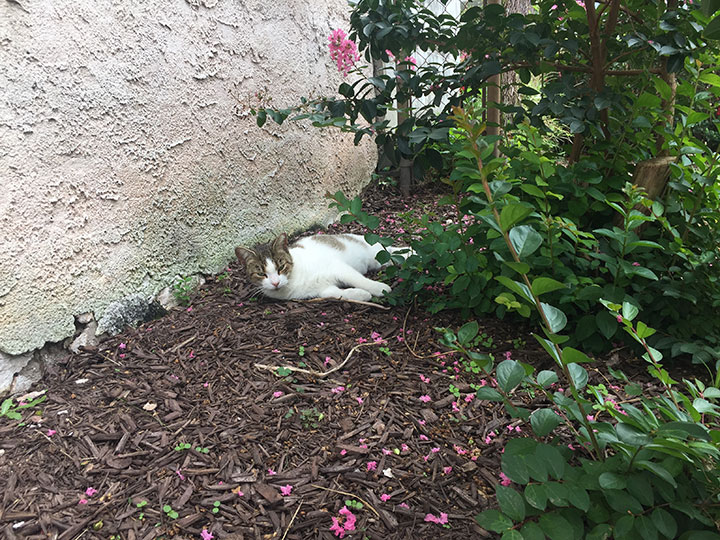
We love our cats, full stop. While it can be tempting to let your cat outdoors to help them exercise, cats are predators at heart. Studies have shown that even well-fed pet cats can’t help but exercise their predatory instincts when given access to the outdoors. The result? Cats are the number one cause of songbird death in the United States, killing about 2.4 billion birds a year.
If you feel like you cannot keep your cat indoors, make sure that they are fixed to prevent accidental breeding, keep them up to date on vaccines to reduce disease spread, and give them a bell on their collar to give birds a fighting chance.
Turn Off Outdoor Lighting
Have you looked up at night to see the stars and found the sky weirdly blank? It’s probably because of light pollution. The stars are there, but the artificial lights in our neighborhoods outshine their lights.
Artificial lights aren’t just bad for star-gazing, they’re also bad for wildlife. Birds use the light of the moon and stars as well as their reflections to navigate their migration. Artificial light can confuse the birds, causing them to veer off course or even crash into buildings. Moths and fireflies waste valuable energy circling artificial lights rather than finding mates.
If you can’t get away from artificial lighting in your yard all the time, try to avoid peak migration times in the spring and fall. You can actually get an estimate about how many birds are migrating each night using BirdCast Migration Dashboard.
Reduce Your Mowing
Mowing our lawns not only pumps out carbon emissions, but it also reduces potential habitat for wildlife. Studies show that intensive management of lawns reduces the diversity of insects and their overall abundance by both reducing habitat and directly killing them. Mowers can also strike small mammals, birds, and reptiles hidden in the grass.
Before you mow, scout your yard for wildlife, relocating any turtles or avoiding nests you may find in the grass. Raising the height of your mower blade can also help it pass over animals hidden in the grass and reduce the need to mow as frequently. If you can, leave some areas of your yard longer to give animals a place to escape and hide during mowing.
Long-term, assess your space to see where it might be reasonable to reduce your lawn. The easiest way to reduce your lawn is to expand your planting beds out another few feet. Then, fill the extra space with pollinator-friendly and native plants.
Use iNaturalist and Share Your Findings
Have you heard of iNaturalist? It’s an app that allows you to take pictures of plants and animals to share with your local community. This is a great way to help you identify what you’re finding in your backyard and understand what other people in your area are finding.
This app isn’t just a good way to connect with fellow wildlife lovers, it’s also something that scientists use to better understand urban insect populations. They use the photos and data in the app to determine what species are supported by gardens, what color flowers a particular butterfly prefers, and so much more. You are actually contributing to science when you share your wildlife photos on this app!
Colonial Gardens is an independent garden center located in Phoenixville, PA, providing quality plants and service to our area since 1967. In addition to having one of the largest plant selections in our area, we also provide professional landscaping services, a full service florist, and seasonal events.